I've had it. What the hell is it with your product? What the hell is it with your "oh-so-clever" marketing - targeted at freaks, geeks, nerds and dweebs? I mean, who would create an entire (immaculate) line of shoes named after bloody public-radio? Public radio? Really? Come on. No one listens to public radio these days. No one.

These are called BBCs. Apparently the BBC is some kinds of "news institution."
Who the hell to you think you are that you can just confiscate my hard-earned cash and force me, at virtual gunpoint, to apply it to something as impractical as a sixth pair of (Fluevog) shoes? In all earnestness - I'm an environmentalist - I don't need six pairs of (Fluevog) shoes. I didn't even need five pairs of (Fluevog) shoes. And because I'm a highly rational being, I'm blaming you, John, for your seemingly perfect understanding of your clients - me, obviously, being one of them. Now could you stop it? I'm running out of closet space.
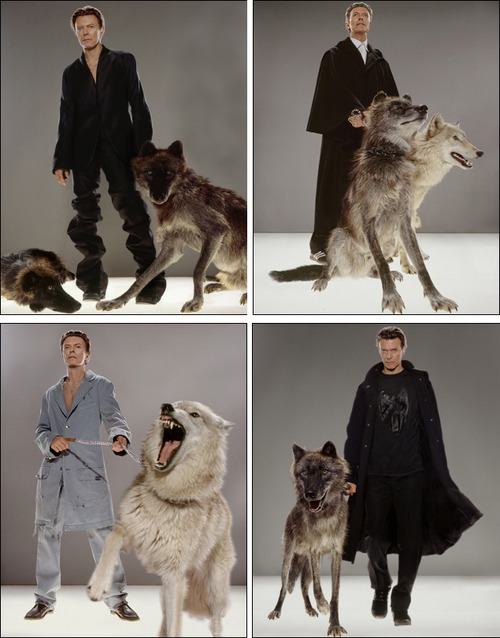
As a rather petite woman with somewhat masculine sensibilities, shopping for anything - let alone footwear - can be tiresome. I cope, trust me - but only because I like a challenge and am as persistent as a mosquito at a Winnipeg garden party. However, unisex wear is rare and mostly not very fashionable - there is an unusual notion that the world between male and female is beige rolling sea of Pat-like sensible and sexless attire. You understand this as a ridiculous concept, John, recognizing instead that this very particular aesthetic space should just as easily be reserved for the fabulous -decidedly more Bowie than Pat. For that, I will hate you (until your next public radio shoe comes out. And then I will love you and throw hundreds of dollars at you. I know, it's confusing. Love can be that way).
It gets worse. As a pretty committed vegan who occasionally buys leather products if they are a) likely to last for a long time due to proper craftsmanship and a consideration to repair and/or b) from sustainable sources, e.g. used, waste or scrap leather - I would prefer to not have to have leather products. As a person who undertook veganism from an environmental standpoint, vegan shoes - often not very durable and/or made of petroleum products - are not always a more sustainable option, though they are, in theory, less cruel to produce. Of course, John, you make this simple - not only do you offer finely crafted leather shoes in fashionable, classic styles, which can be worn for years - but now you have a number of vegan and eco options.
Honestly. Just stop it. I can rationalize these kinds of purchases like it's nobody's business - shopping is almost a charitable act at this point. Damn you! What about consumerism, John? You are making it almost impossible to be anti-consumerist! There is no reason not to support your sweet blinking Canadian business. How do you sleep at night?

These dandy shoes fit men, women and VEGANS. WTF? (get out of my brain, John!)
I teach university students about positioning - and how many companies will sacrifice their position for growth, only to find that by straddling multiple markets they end up servicing the needs of no one particularly well and then resort to competing on price. This is a difficult concept for many business people to grasp. It's so tempting to think you can do it all - but you rarely can. We all want to feel special after all, so maintaining some kind of focus is key to a sustained competitive advantage. Clients become loyal to those that really want to service their particular needs and not doing so leaves room for someone else to jump right in and do just that.
Naturally, John, you are a master of positioning. For 40 years, you've successfully targeted a chronically under-serviced market of well-to-do oddballs at the expense of people who would rather not take the chance of looking a touch unusual. Oh yippy-skippy! Further, you seems to be deepening this relationship at every turn - suggesting a stellar understanding of your market. I assume this is because you are one of us, but I can't say that for sure, it's just a hunch. It's also because you want to hog our quantity-of-quality seeking dink dollars all to yourself, you inconsiderate jerk.
So congrats on getting to 40, as much as part of me hates you, I love to support Canadian businesses that are making responsible choices. May you have many years of continued success.
PS. Nice move on the sweet limited addition tie - another weakness of mine (naturally). If only I hadn't blown far too much money on fistfuls of beautiful recycled bow ties last week.... but I'm sure you'll have no trouble unloading those little gems.